
In a world where digital wallets and streamlined financial tools have reshaped how we manage our finances, the humble cardholder remains a steadfast companion to many. Nestled within its folds are not only the essentials—credit cards, ID, and perhaps a cherished photograph—but also those enigmatic cards whose purpose seems to elude us. From a loyalty card for a café visited once to a membership for a club long forgotten, these seemingly redundant pieces of plastic pose a curious question: should they stay or should they go? As we delve into the debate of whether to keep cards with no immediate use, we explore the fine line between practicality and potential, nostalgia and necessity, in a bid to declutter not just our wallets, but perhaps our lives.
Evaluating the Long-Term Potential of Idle Cards
When assessing the future worth of cards that currently have no apparent purpose, it’s essential to consider a few key aspects that might elevate their value over time. These cards, though seemingly dormant, could become invaluable assets with the right circumstances or market shifts. Here are some factors to consider:
- Market Trends: The card game landscape is ever-evolving. A card that seems irrelevant today might become a cornerstone of a new strategy or deck in the future.
- Rarity and Collectibility: Limited edition cards or those that are part of a discontinued series can gain significant collector interest over time.
- Game Updates: Developers frequently update games, sometimes enhancing the abilities of older cards, which can suddenly make them desirable.
While it might be tempting to declutter and discard cards that don’t serve a current purpose, maintaining a strategic reserve could pay off. The key is to stay informed and watchful of the dynamics within your gaming community and the broader market.

Understanding the Hidden Costs of Dormant Accounts
While it might seem harmless to keep a credit card tucked away for future use, the reality is that dormant accounts can incur unexpected expenses that quietly chip away at your financial well-being. Annual fees can stealthily accumulate, especially if you’re not actively monitoring your account statements. Beyond the direct costs, there’s the opportunity cost of not utilizing the available credit for more strategic financial goals, like building credit history or earning rewards. Additionally, credit card issuers may reduce your credit limit or even close the account due to inactivity, impacting your credit score.
Moreover, leaving accounts inactive can make you more vulnerable to fraudulent activities. Dormant cards are less frequently monitored, providing an opportunity for unauthorized transactions to go unnoticed for longer periods. Consider the potential for these hidden costs and weigh them against the benefits of keeping the account open. You might find that consolidating your credit cards or setting a small recurring charge to keep them active can be a more prudent approach. Here’s a quick rundown of what to watch out for:
- Accumulation of annual fees
- Impact on credit score due to inactivity
- Vulnerability to fraud
- Missed opportunities for rewards or benefits
Strategic Retention: When to Hold or Fold
In the intricate game of decision-making, the art of strategic retention lies in discerning the potential hidden within seemingly useless cards. It’s a delicate balance between foresight and pragmatism. When evaluating whether to keep cards with no immediate use, consider the following:
- Potential Synergy: Sometimes, a card may not be valuable now, but it could unlock powerful combinations in future turns or rounds. Assess if the card has synergy with other elements of your strategy.
- Flexibility vs. Focus: Holding onto diverse options can offer flexibility, but it may also dilute your focus. Weigh the benefits of adaptability against the strength of a streamlined approach.
- Opportunity Cost: Retaining a card comes with the cost of not using that slot for something immediately beneficial. Consider if the potential future gain outweighs the current sacrifice.
Ultimately, the decision to hold or fold is as much about intuition as it is about logic. Trust your instincts while staying grounded in strategic evaluation, ensuring each card in your hand aligns with your overarching goals.
Balancing Collection and Utility in Card Management
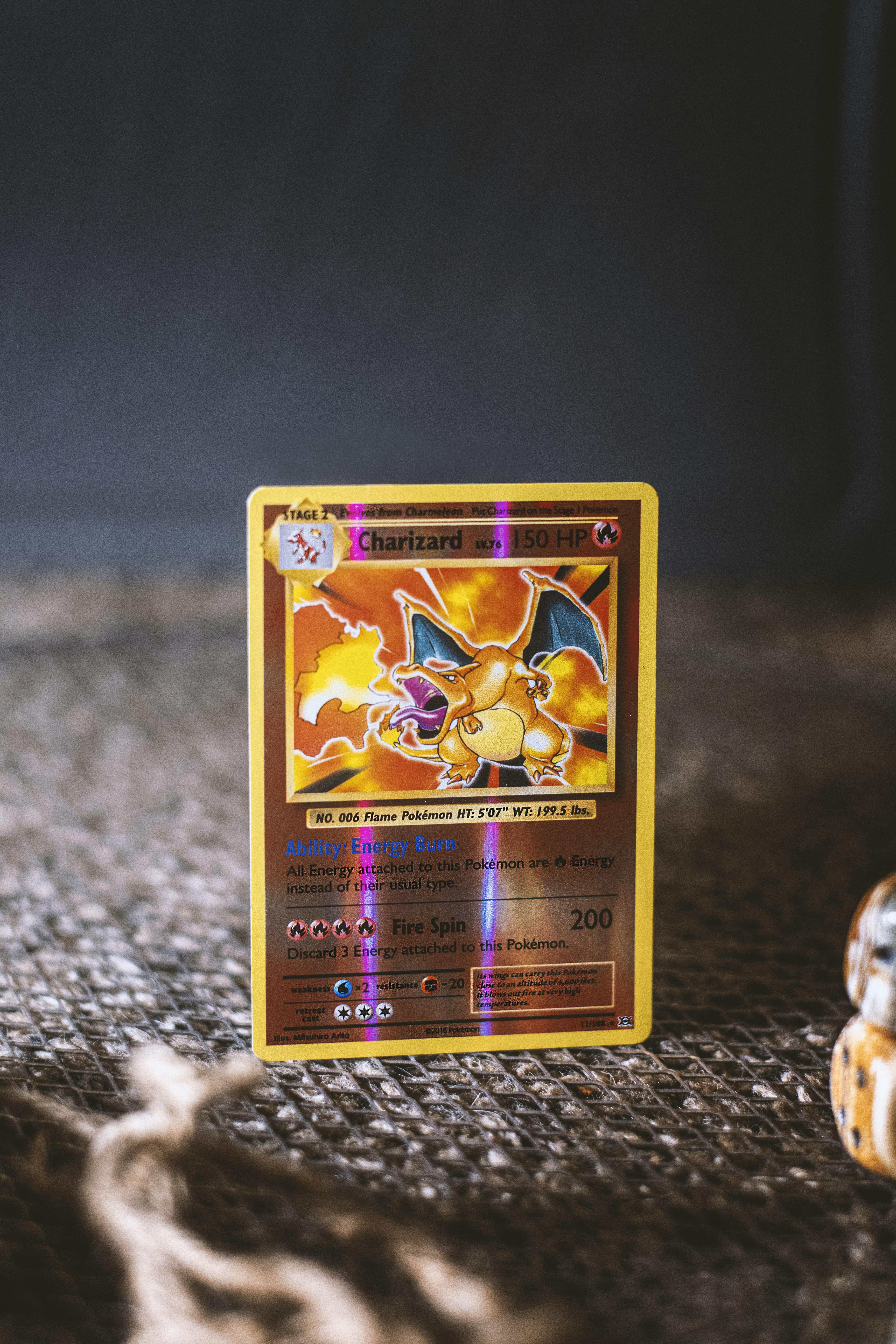
In the dynamic world of card management, the delicate dance between collection and utility often poses a challenge. As a card enthusiast, you’re likely familiar with the thrill of acquiring new cards, each one a unique addition to your burgeoning collection. However, the question arises: what should you do with cards that currently lack an immediate purpose? While some may argue for a streamlined deck, focusing solely on those cards that serve an immediate function, there is undeniable value in holding onto cards that might one day fit into an unforeseen strategy or fulfill a niche requirement.
- Potential Future Use: Cards that seem redundant today may become invaluable with the release of new expansions or updates. Keeping these cards can provide you with a strategic advantage when the meta shifts.
- Trade and Exchange Opportunities: A card with no immediate use for you might be highly coveted by another player. Retaining such cards opens the door to future trade opportunities, allowing you to acquire more valuable assets in return.
- Sentimental Value: Beyond their functional utility, cards often carry personal significance. Whether it’s the nostalgia of a past tournament or the memory of a first rare pull, these cards can be cherished keepsakes.
Ultimately, the decision to keep or discard cards without an immediate use boils down to personal preference and strategic foresight. Balancing these elements can enhance your card management experience, offering both a robust collection and a versatile toolkit for future gameplay.