
In the bustling marketplace of modern consumerism, the allure of rewards programs gleams like a siren’s call, promising tantalizing perks in exchange for loyalty and spending. From credit card points that whisper of dream vacations to retail loyalty cards that promise exclusive discounts, the concept of cashback/how-to-earn-points-faster-with-authorized-users/” title=”How to Earn Points Faster with Authorized Users”>earning rewards has woven itself into the fabric of our purchasing decisions. Yet, beneath the glittering surface lies a complex question: should you spend more just to earn these rewards? As we navigate this intricate dance between spending and saving, it’s crucial to unravel the true value of these incentives and understand whether they genuinely enrich our financial well-being or merely lead us down a path of unnecessary expenditure. Join us as we delve into the enticing world of rewards programs, exploring the fine line between savvy spending and indulgent splurging, and uncover the strategies that can help you make informed choices in this rewards-driven economy.
The Psychology Behind Reward Spending Decisions
Our brains are wired to seek pleasure and avoid pain, a principle that plays a significant role in how we make spending decisions, especially when rewards are involved. The allure of rewards—be it cashback, travel miles, or exclusive discounts—triggers a dopamine rush, akin to the thrill of a game or a gamble. This psychological effect can sometimes cloud our judgment, leading us to rationalize spending more than intended to earn these enticing bonuses.
- Immediate Gratification: The promise of instant rewards can overshadow the long-term financial impact, making it tempting to prioritize short-term gains over long-term savings.
- Loss Aversion: The fear of missing out on a reward can drive consumers to make purchases they wouldn’t normally consider, simply to avoid the perceived loss of benefits.
- Status and Exclusivity: Reward programs often tap into our desire for status, offering exclusive perks that make us feel special and valued, thereby influencing our spending behavior.
Understanding these psychological triggers can empower consumers to make more informed decisions, ensuring that the pursuit of rewards complements, rather than compromises, their financial well-being.

Evaluating the True Value of Loyalty Programs
In the realm of consumer spending, loyalty programs are often marketed as a way to enhance the shopping experience. However, it’s crucial to assess whether the incentives offered genuinely outweigh the cost of participation. Loyalty programs promise exclusive discounts, early access to sales, and free merchandise, but these perks might lead you to spend more than you initially planned. The allure of earning points can sometimes overshadow the practical aspects of budgeting, leading to unnecessary purchases in pursuit of rewards.
- Are the rewards truly beneficial, or do they simply encourage more spending?
- Do the points or miles expire before you have a chance to use them?
- Is the redemption process straightforward, or are there hidden conditions?
These questions are vital when evaluating loyalty programs. A program that aligns with your existing spending habits can indeed offer value, but it’s essential to remain vigilant about the potential pitfalls. Remember, the true value lies in benefits that complement your lifestyle without compelling unnecessary expenditures.
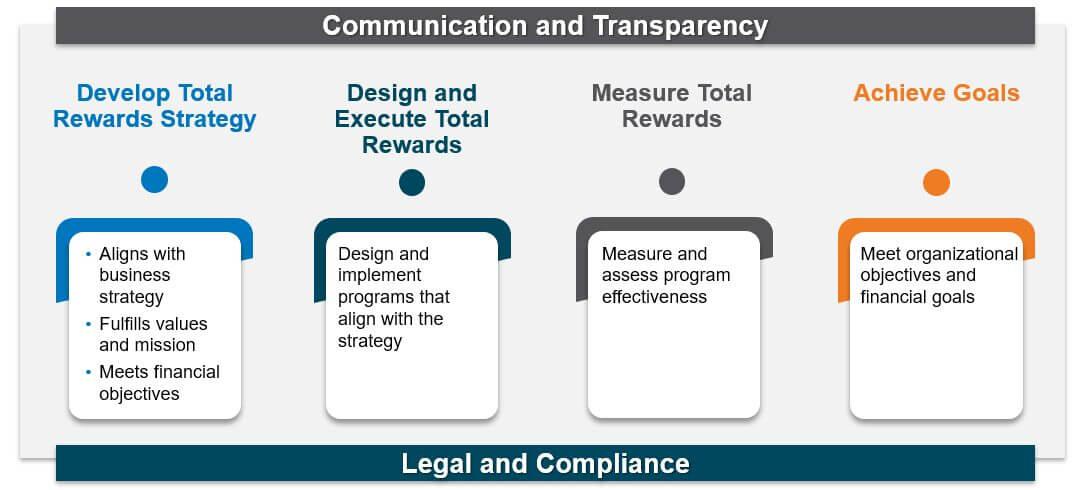
Strategies for Maximizing Rewards Without Overspending
- Set a Budget: Before diving into any reward program, it’s crucial to establish a spending cap. By setting a clear budget, you can ensure that your spending aligns with your financial goals rather than being driven by the allure of rewards.
- Focus on Everyday Purchases: Utilize reward programs for routine expenses like groceries, fuel, and utilities. By channeling your regular spending through these programs, you maximize points or cashback without the need for additional purchases.
- Take Advantage of Promotions: Keep an eye out for limited-time promotions that offer bonus rewards on specific categories or merchants. By strategically planning your purchases around these offers, you can amplify your rewards without deviating from your usual spending habits.
- Leverage Partner Networks: Many reward programs have partnerships with various retailers and service providers. By shopping through these networks, you can earn extra points or discounts, optimizing your rewards without overspending.
- Monitor and Redeem Efficiently: Regularly check your reward balance and expiry dates. Redeem points for items or experiences that provide genuine value to you, ensuring that your rewards work in your favor and not the other way around.

Balancing Immediate Costs with Long-term Benefits
- It’s easy to get lured by the promise of earning points, cashback, or airline miles when making purchases. Yet, it’s crucial to weigh the immediate costs of these expenses against the potential long-term benefits. A new credit card may offer a tempting bonus for spending a certain amount within a few months, but it’s important to ask whether those purchases are necessary or if they fit within your budget. The rewards can be enticing, but they shouldn’t justify overspending or stretching your finances too thin. By evaluating your spending habits, you can ensure that the pursuit of rewards doesn’t lead to financial strain.
- Moreover, the allure of reward programs often masks hidden costs such as annual fees or higher interest rates. While these programs can indeed provide significant value, especially for frequent travelers or those with specific spending patterns, they might not be the best fit for everyone. It’s vital to consider whether the rewards outweigh the additional expenses associated with maintaining the account. For some, the benefits may offer substantial savings or perks over time, but for others, they might merely serve as a financial distraction. Therefore, it’s essential to adopt a strategic approach to spending, ensuring that the long-term advantages genuinely surpass the immediate financial outlay.