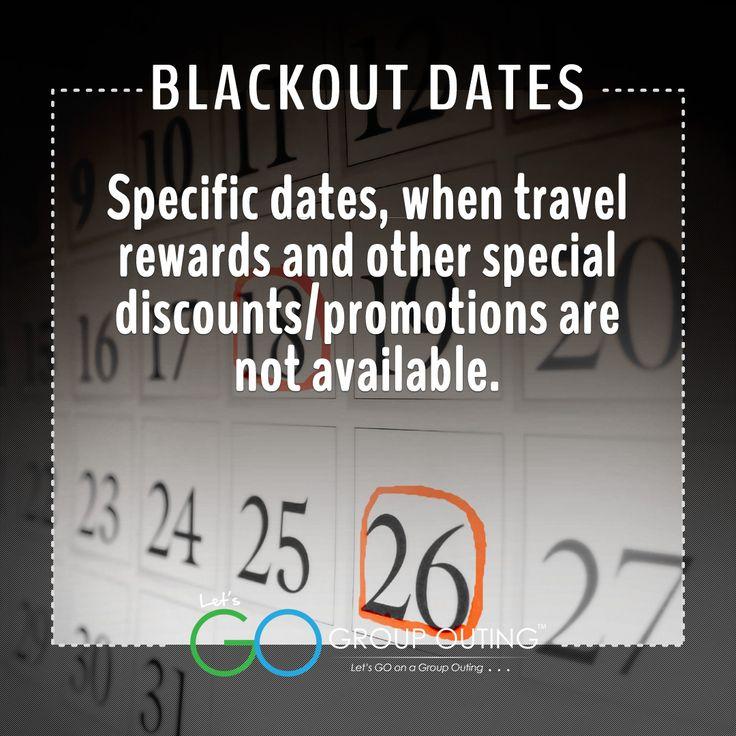
In the dynamic world of travel, flexibility has become a cornerstone of the modern traveler’s experience, allowing individuals to explore the globe on their own terms. However, this flexibility is increasingly being challenged by the prevalence of blackout dates imposed by airlines, hotels, and travel agencies. Blackout dates, specific periods when promotional rates or rewards cannot be redeemed, often coincide with peak travel seasons and special events, potentially restricting the freedom that travelers have come to expect. This article seeks to analytically explore the impact of blackout dates on travel flexibility, examining the rationale behind their implementation and evaluating their implications for both consumers and the travel industry. Through a balanced assessment, we aim to uncover whether these restrictions are a necessary element of travel management or a hindrance to the evolving demands of today’s travelers.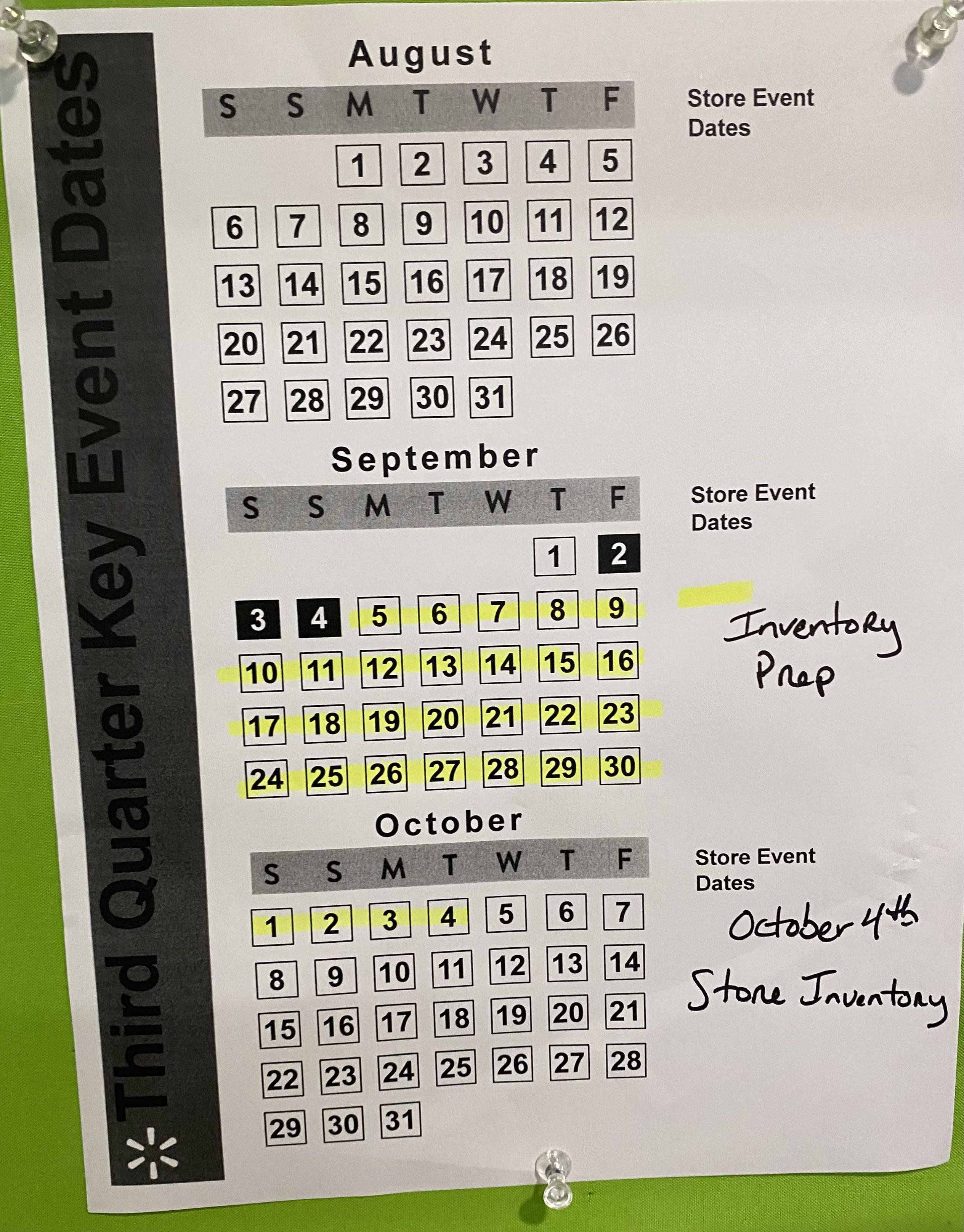
Impact of Blackout Dates on Traveler Autonomy
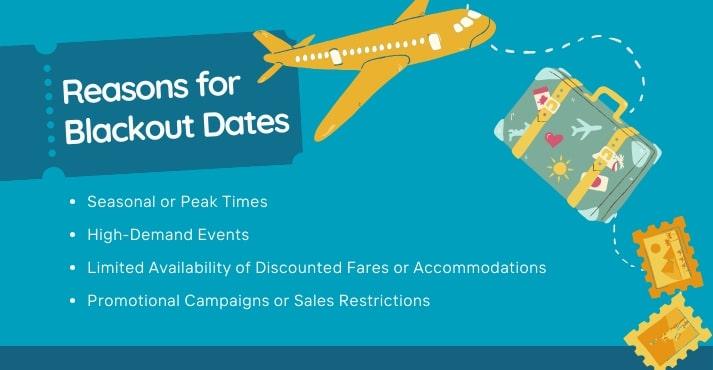
Blackout dates, often implemented by airlines, hotels, and other travel services, can significantly impact a traveler’s ability to plan a spontaneous or flexible itinerary. These are specific periods during which promotional rates, discounts, or certain services are unavailable, usually coinciding with peak travel times such as holidays and major events. While these dates are designed to manage high demand and ensure profitability for service providers, they inadvertently place constraints on travelers, limiting their choices and potentially leading to higher costs.
From the perspective of traveler autonomy, blackout dates can feel restrictive. For individuals who value the freedom to explore and travel on their own terms, these dates impose a rigid framework that requires meticulous planning and foresight. Consider the following effects on traveler autonomy:
- Limited Access to Deals: Blackout dates often exclude popular promotional offers, forcing travelers to either adjust their plans or incur higher expenses.
- Reduced Spontaneity: The inability to take advantage of last-minute deals or make impulsive travel decisions can dampen the spirit of adventure.
- Increased Financial Pressure: With limited options during peak periods, travelers might find themselves paying premium rates for basic services.
While blackout dates are an understandable business strategy, they undeniably present challenges to those seeking flexibility in their travel experiences. The balance between operational efficiency for service providers and the autonomy of travelers remains a delicate one.
Analyzing the Economic Implications for Consumers and Airlines
Economic Implications for Consumers and Airlines
From a consumer perspective, blackout dates can significantly impact travel budgets and planning. Limited availability during peak seasons often leads to inflated ticket prices, which can strain the finances of families and individuals seeking affordable travel options. Furthermore, these restrictions often force travelers to adjust their schedules, sometimes leading to additional costs in terms of accommodation and transportation. The rigidity imposed by blackout dates may also lead to missed opportunities for spontaneous travel, a valued aspect for many adventurers.
On the other hand, airlines utilize blackout dates as a strategic tool to maximize revenue during high-demand periods. Benefits for airlines include:
- Enhanced control over inventory and pricing strategies
- Ability to manage peak season demand effectively
- Potential to increase profits by focusing on high-yield flights
However, while this approach can bolster short-term gains, it may alienate price-sensitive travelers and frequent flyers, potentially affecting brand loyalty in the long run. Balancing the economic benefits with consumer satisfaction remains a critical challenge for the aviation industry.
Strategies for Navigating Blackout Dates in Travel Planning
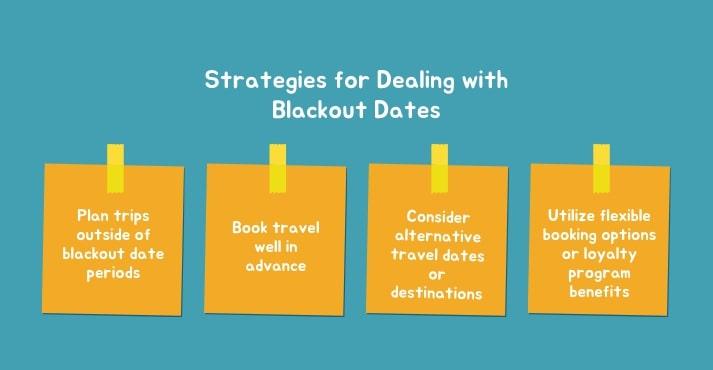
When planning your next adventure, blackout dates can often feel like an insurmountable hurdle, especially during peak travel seasons. However, there are strategic ways to maneuver around these limitations to maintain your travel flexibility. First, consider booking your trip well in advance. Airlines and hotels often release their schedules months ahead, giving you the opportunity to secure reservations before blackout dates are imposed. Additionally, being flexible with your travel dates can open up options that might otherwise be unavailable. If your schedule allows, traveling during shoulder seasons—periods just before or after peak travel times—can not only help you avoid blackout dates but also offer more affordable rates and less crowded destinations.
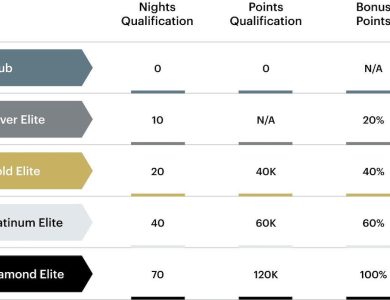
Another effective strategy is to leverage loyalty programs and travel rewards. Frequent traveler programs sometimes offer exceptions or special deals during blackout periods, allowing members to bypass restrictions. Additionally, consider alternative airports or nearby destinations which might not be subject to the same blackout constraints. Keep an eye on flash sales or last-minute deals that airlines and hotels might offer to fill unexpected vacancies. consulting with a travel agent can provide insights into potential loopholes and lesser-known options that might not be apparent when booking independently. By employing these strategies, you can effectively navigate the challenges of blackout dates and enjoy a seamless travel experience.
Recommendations for Enhancing Travel Flexibility and Customer Satisfaction
To improve travel flexibility and customer satisfaction, airlines and travel companies can consider implementing several strategies. Transparent communication about blackout dates and their rationale can help manage customer expectations and reduce frustration. Providing clear information on when these dates apply and why they are necessary enables travelers to plan more effectively.
- Dynamic Pricing Models: Adopting flexible pricing that adjusts according to demand rather than rigid blackout periods can offer more opportunities for travelers to find suitable options.
- Loyalty Program Adjustments: Modifying loyalty programs to allow for blackout date exceptions or offering alternatives during these times can enhance customer loyalty and satisfaction.
- Advanced Notice: Providing travelers with early notifications about upcoming blackout periods can aid in their planning and reduce last-minute disappointments.
Moreover, feedback mechanisms should be in place to gather customer insights on blackout dates. Understanding traveler preferences and pain points can guide companies in refining their policies. By balancing operational needs with customer desires, travel companies can foster a more flexible and satisfying experience for their clientele.